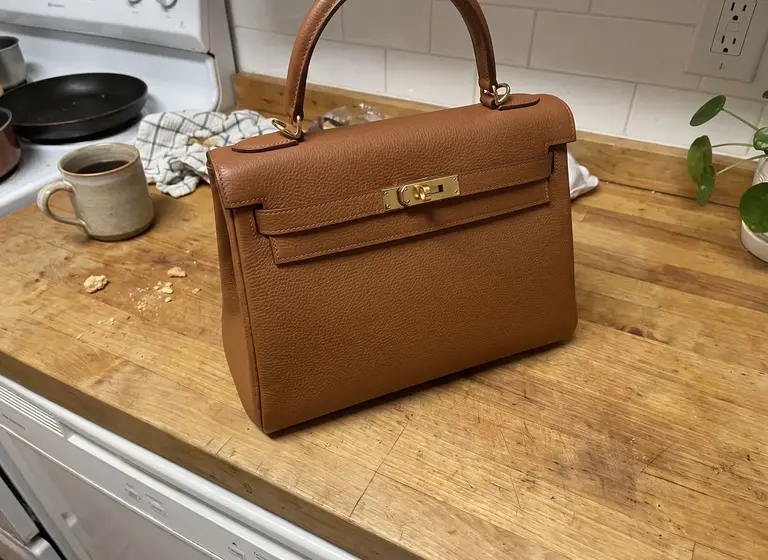
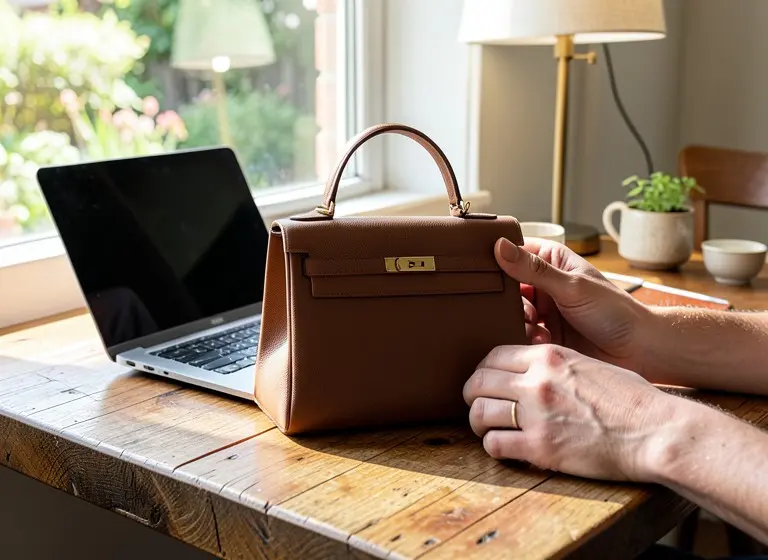
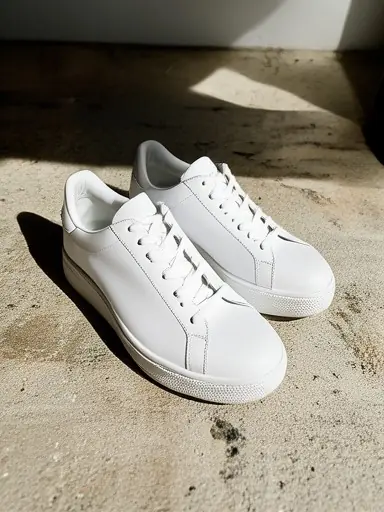
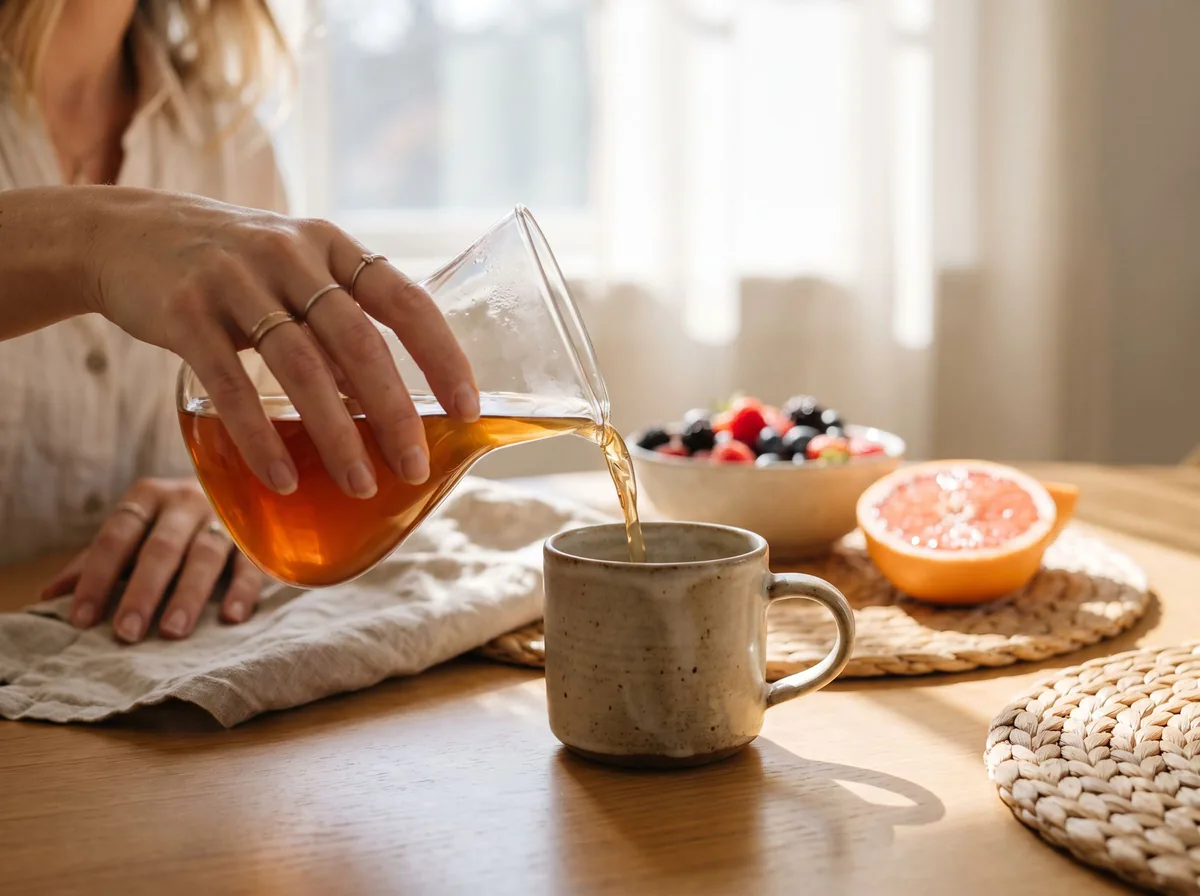
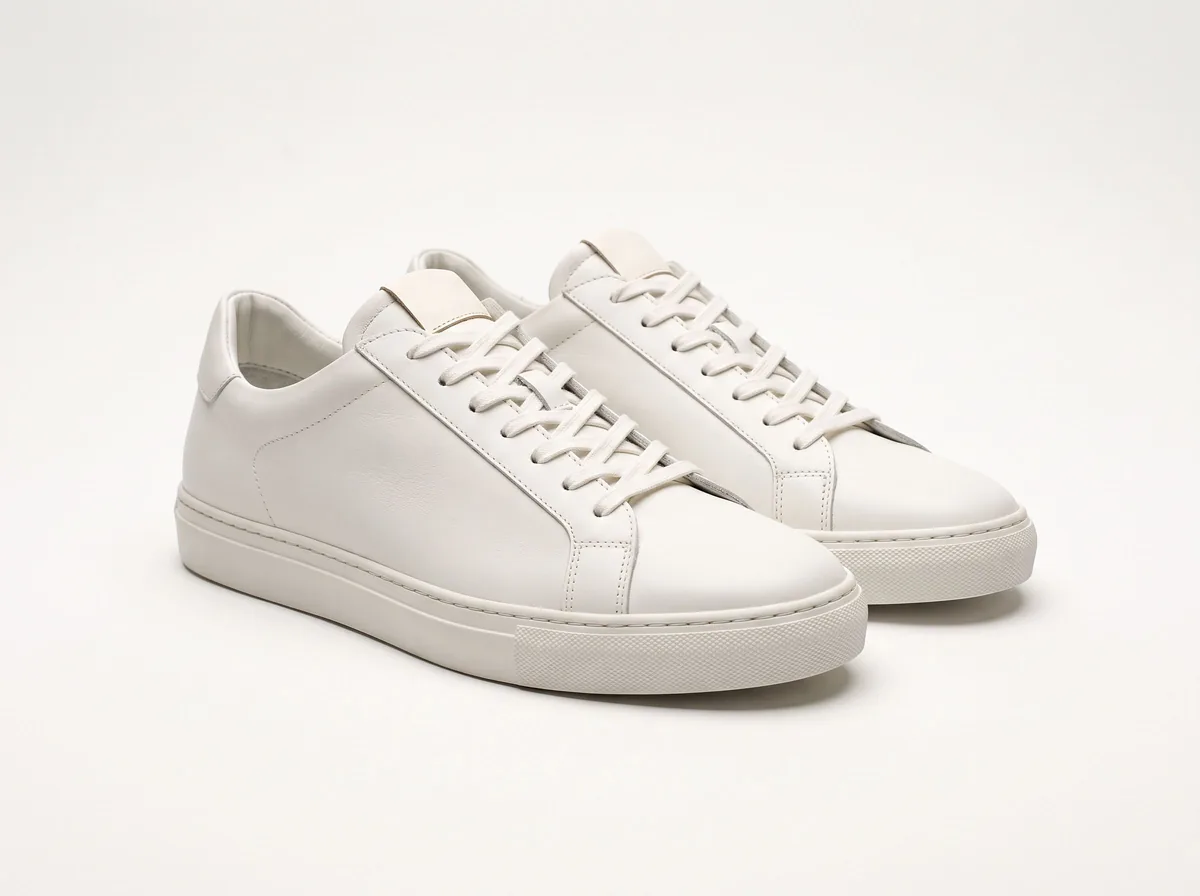
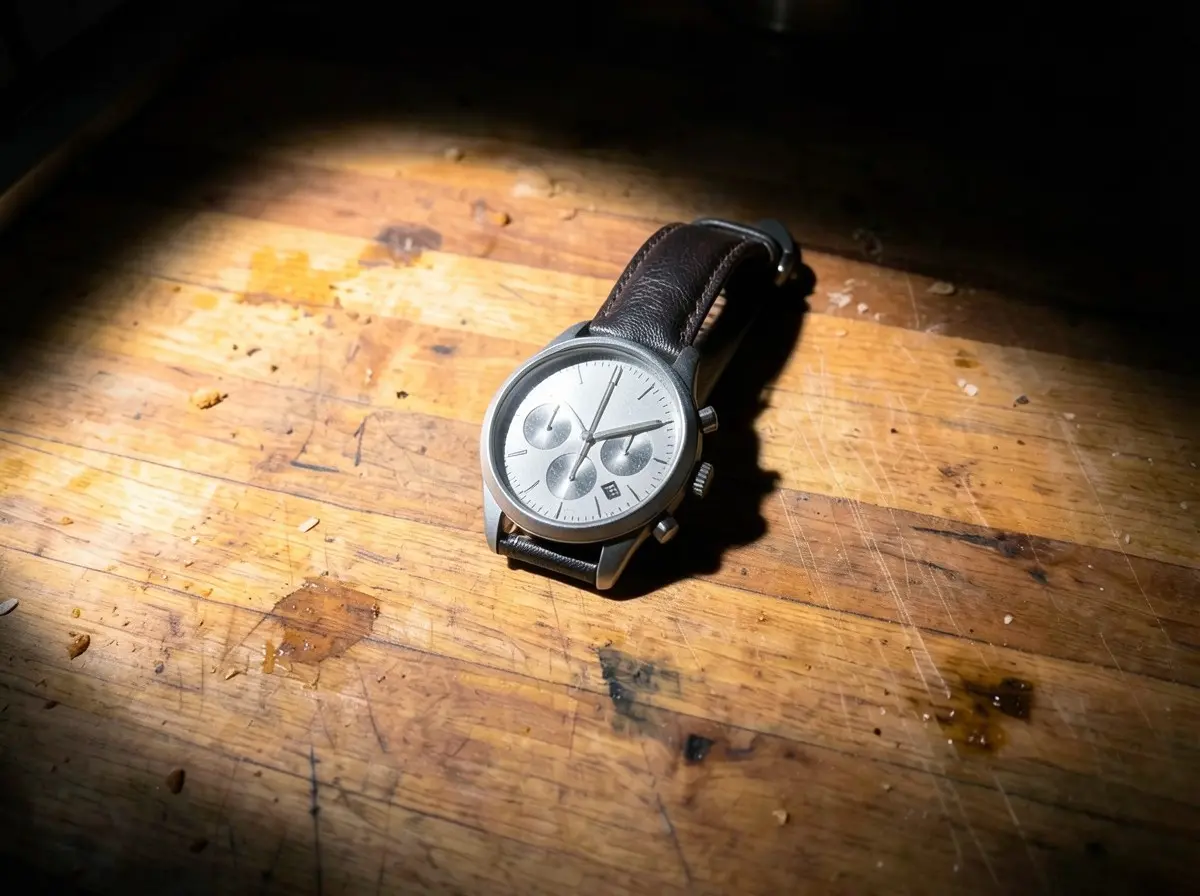
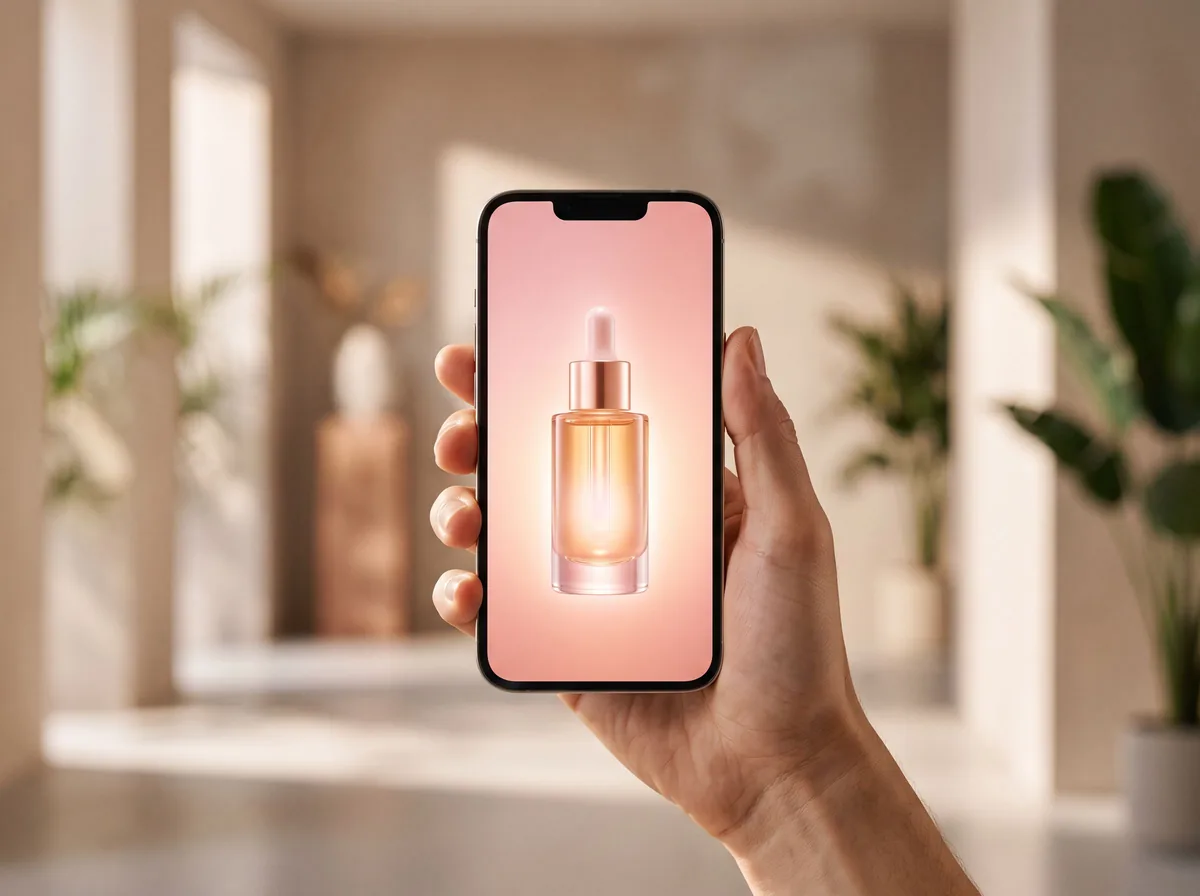
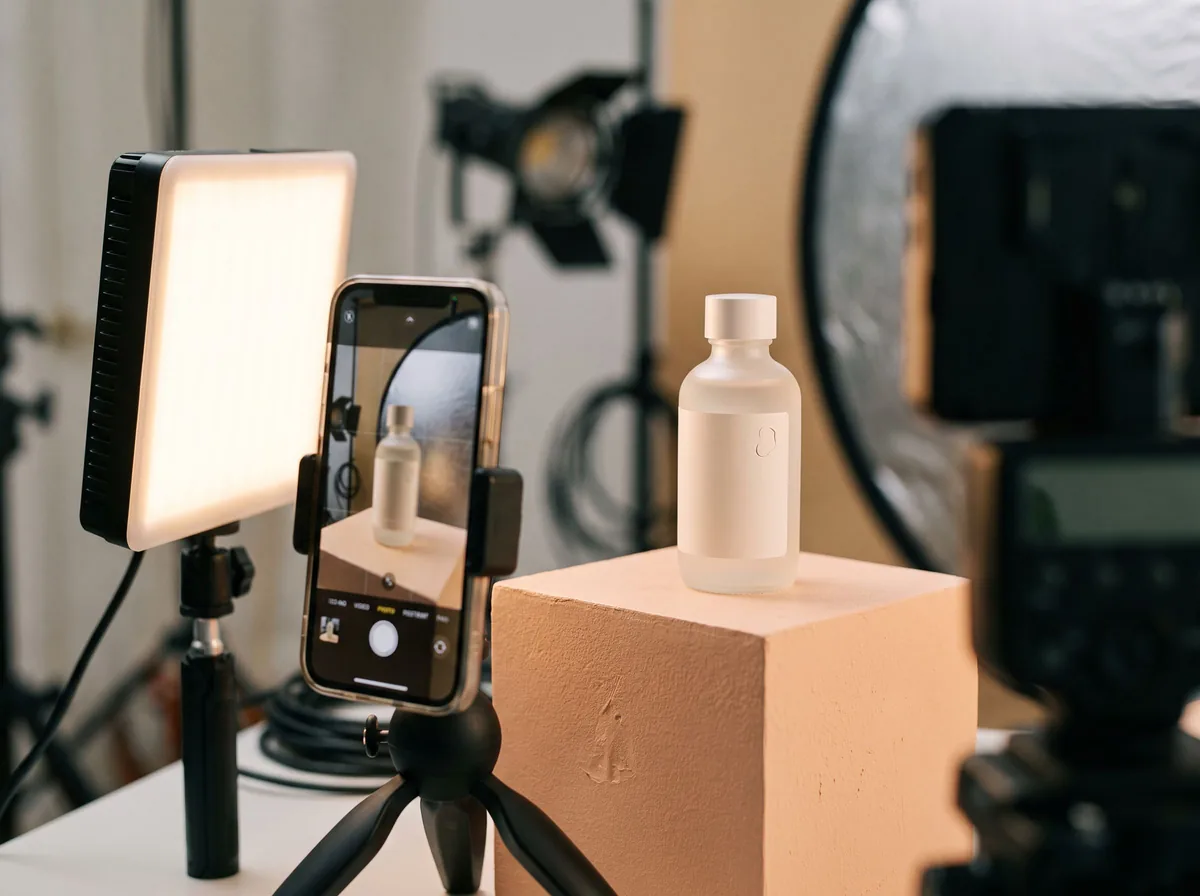
AI-made lifestyle scenes are now a standard step, not an experiment. Amazon Ads offers sellers free AI image generation that turns product details into lifestyle and brand-themed images, refined with short prompts. Squareshot's 2026 trends list also names AI for repetitive image tasks.
For a small shop, the gain is one clean photo turning into several scenes for ads and social posts. The risk is a catalog that looks generic, or images that show details the product does not have.
Read next: AI product photography: how it works and where it fails · Prompts for AI product scenes
If an image shows a photorealistic person made entirely by AI, you now have to label it in more places. In July 2026 Amazon told sellers to tag such images, videos and A+ content with the keyword contains-synthetic-performer in the file's metadata, according to eWeek and Be Bold Digital. Be Bold says basic edits such as background removal and retouching are excluded, and the tag is required for new uploads.
New York's synthetic performer law has applied to ads since 9 June 2026, with penalties of $1,000 for a first violation and $5,000 after that, according to eWeek. In the EU, the AI Act's transparency rules under Article 50 apply from 2 August 2026 and require disclosure of deepfakes; how far they reach into product ads is still debated.
Read next: AI fashion models and how to use them honestly
Short video is the format shoppers say they want most when learning about a product. Wyzowl's 2026 survey, as reported by Shopify, found that 63% of people would most like to learn about a product from a short video, and 71% said 30 seconds to 2 minutes is the most effective length.
A short phone clip of the product being turned, opened or used is a good start.
Read next: Product video script generator · UGC video script writer assistant
Polished studio shots now sit beside photos that look like a real customer took them. Squareshot's 2026 trends list includes imperfection and authenticity, real-world context and user-generated content. In Salsify's 2026 survey, 57% of shoppers named ratings, reviews and customer photos among the most important parts of a product page.
Ask buyers for photos, and take a few of your own in a real home with daylight. Keep them honest: if they are AI scenes, they should not pretend to be customer photos.
3D and AR views help most when size or fit decides the sale. After Gunner Kennels added 3D models and AR to its Shopify store, it reported a 40% rise in order conversion and a 5% drop in returns compared with the previous quarter. Salsify suggests AR and try-on to cut bracketing, which is when people buy several sizes and return the rest.
These figures come from one store, so treat them as a sign of what is possible, not a forecast. For most small shops, a clear set of angles plus one photo that shows scale gets much of the benefit.
Most online shopping now happens on phones, so images have to work at thumbnail size. Adobe found that 56.4% of US online holiday purchases between 1 November and 31 December 2025 were made on a smartphone, as reported by REjournals.
Squareshot suggests a larger product in the frame, simpler backgrounds and vertical crops for mobile. Check every main image on your own phone before it goes live.
Read next: How to take product photos with your phone
Hard, directional light and bold solid backdrops are the stand-out look for ads and social posts. Squareshot lists cinematic lighting, meaning dramatic shadows and directional light, and minimalism with deliberate color and negative space among its 2026 trends.
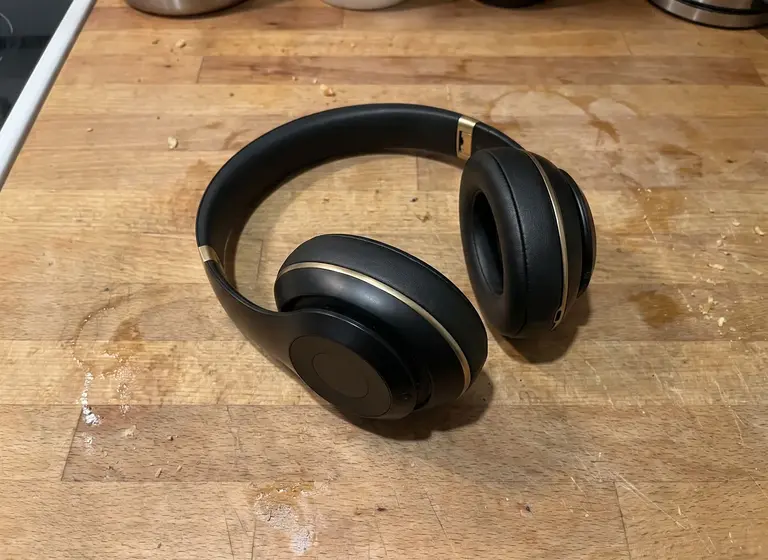
These looks belong in ads and the secondary gallery, not the marketplace main image. As our headphones example shows, a strong backdrop color can bleed into the product, so check the colors closely.
Read next: Creative product photography ideas · Relight a product photo
Stores are setting fixed rules for light, angle, crop and color so every product looks like part of one shoot. Color Experts calls this a visual system, and Squareshot ties it to performance-led photography.
Write your rules down: the backdrop, the angles in order, the crop and one reusable scene prompt. It costs nothing.
Read next: Color consistency assistant
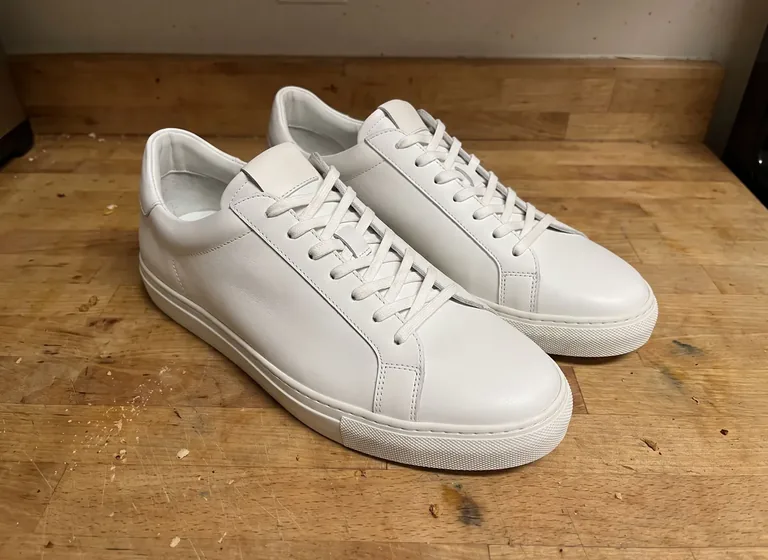
Warm, textured surfaces such as wood, linen, stone and paper are popular backdrops in 2026. Squareshot lists texture and warmth with natural materials as a trend, alongside close-ups that show what a product is made of.
A board of light oak or a linen cloth covers most of this look. Keep props to two or three.
The quiet trend is accuracy, because wrong images cost returns. In Salsify's 2026 survey of 2,712 shoppers in the US, the UK and Canada, 45% had returned an online purchase in the past year because of incorrect product content, and 61% named images and video among the most important parts of a product page.
With AI making more of the images, checking each one against the real product matters more, not less.
Read next: Best AI product photography tools compared
Start with the free ones: phone-first framing, one catalog look, accuracy checks and a few real-looking photos. Add one short video per best seller next. Use AI scenes, hard light and bold color for ads and social posts, and leave 3D and AR until size or fit is costing you returns.
Z Product AI can help with the image side for free, one photo at a time. Downloads are up to 768px with a small mark, so they suit social posts, drafts and your own store more than a marketplace main image. It does not make video or 3D.
Read next: Instagram story ad generator