Seller guide
How to Photograph Food Products for an Online Store
Food products sell on photos that look fresh, clear and true to the real pack. You do not need a studio. Soft daylight, a plain surface and close framing cover most needs. The main job is to show the product the way the customer will receive it. This guide covers the light, the background, the framing and the set of shots a food listing needs.
Updated 13 October 2026
The short answer
- Shoot near a window in soft, indirect light, and turn off the flash and the overhead lights.
- Use a plain, uncluttered surface so the food or pack is the only thing that stands out.
- Show the product as the customer gets it: the real pack, the real size, with no props that suggest a different product.
- Move closer instead of zooming, and keep the same angle, light and crop across the whole range.
- Keep the label sharp and readable, since shoppers check it before they buy.
Light it softly, from the side
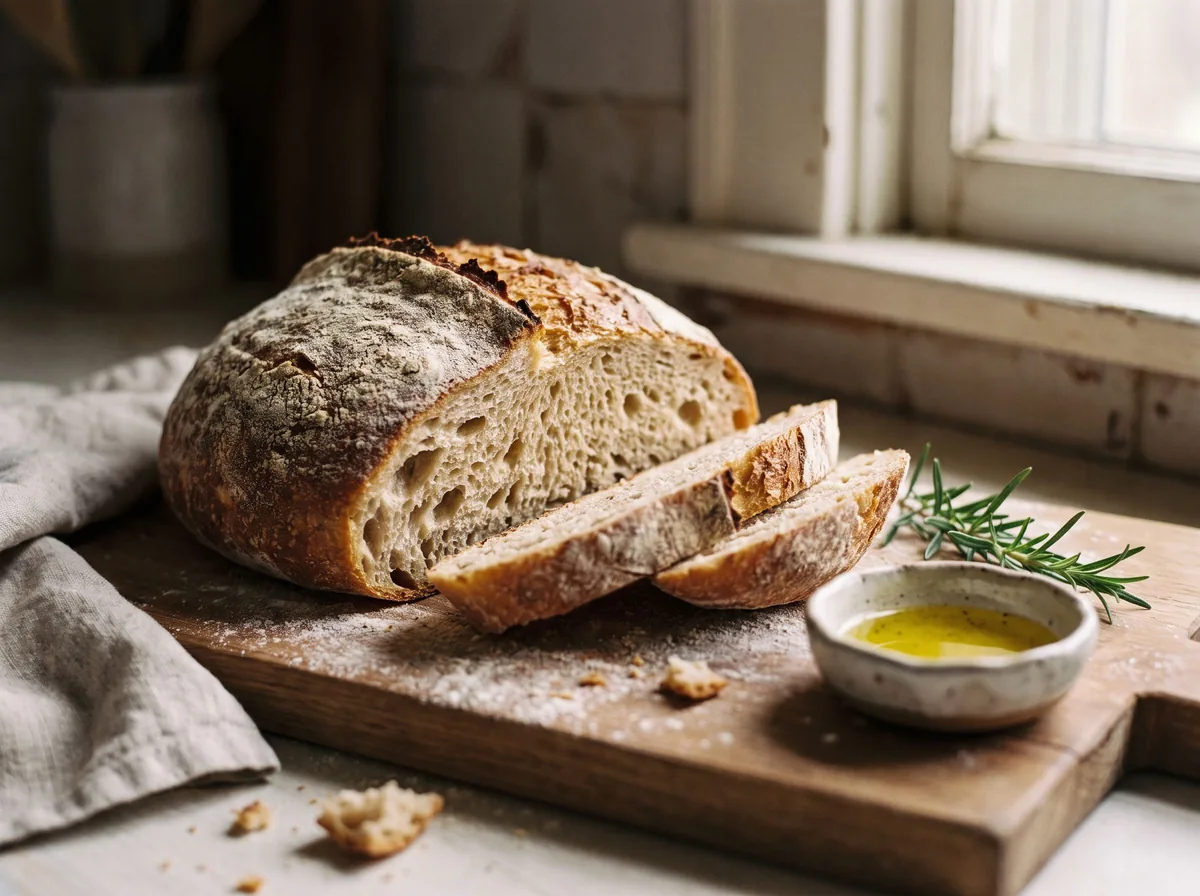
Soft, diffused daylight keeps colors true and makes food look fresh. A window with a sheer curtain or a white sheet over it softens direct sun. Place the product at an angle to the window so the light falls across it from the side. Avoid midday sun, the built-in flash and warm kitchen bulbs, which make food look dull or harsh.
Choose a clean, simple surface
Use a plain surface such as a white board, a light wood table or a neutral cloth. The background should not compete with the product. A plain white background is the usual choice for product pages, and a warmer scene can sit beside it for lifestyle shots.
Frame close and leave room
Move closer to the product instead of zooming, and leave a little space around it so nothing is cut off when the photo is cropped. A straight-on or slightly raised angle shows the front label best. A top-down view suits flat items such as bars, sachets and open boxes.
Shoot the set a food listing needs
- A clean front shot of the product or pack on a plain background.
- A back or side shot that shows the ingredient or nutrition panel, if the listing needs one.
- A close-up of the texture or contents, such as a cut bar or the inside of a pack.
- A serving or lifestyle shot that shows the food in use, labelled as a suggestion, not the pack itself.
Show the real product
Shoppers compare the photo with what arrives. Photograph the item and its pack the way the customer will receive them, and avoid props that suggest a different product, size or serving. If you sell several flavors or sizes, shoot them the same way so they are easy to compare. A photo that matches the pack can reduce mismatch complaints.
Check the marketplace rules
Marketplaces often ask for a plain main image with no props and no text, and they set their own rules for size and background. The rules change, so check the current guidelines of each marketplace before you upload.
Free tools for this
Try it on your own photo
FAQ
Questions sellers ask
Can I photograph food products with my phone?
Yes. Use the rear camera, shoot by a window in soft light, turn off the flash, and move closer rather than zooming.
What background is best for food product photos?
A plain, neutral surface for the main shot, such as white, light wood or a neutral cloth. Keep the scene simple so the product stands out.
Should I show food with props?
Use props in the lifestyle shots, not in the main product image. In the main shot the product should be the only focus, and props should not suggest a different product or size.
Do I need a studio for food product photography?
No. A window, a plain surface and a simple white reflector cover most needs. A studio helps once you have a large range to shoot.
Sources
- Photoroom: how to photograph food products for Amazon
- Local Line: product photos for an online farm store
- Foraged Help Center: how to take great product photos
- Dash: food photography tips
- Bopple: how to create a visually enticing online menu
Z Product AI makes some of the tools compared here. Competitor details come from their own sites and public reviews as of 13 October 2026.