Seller guide

Ecommerce Product Photography: Studio, DIY or AI?

Ecommerce product photography is the set of photos that sell an item online: a clean main image, lifestyle scenes, close-ups and scale shots. You can hire a studio, shoot it yourself, or edit your own photos with AI. This guide sets out what each costs, what each is good at, and where the cheap option stops working.

Updated 13 October 2026

The short answer

  • Count the images you need, not the shoots, and split them into hero images (brand-defining) and catalog images (bulk).
  • Hire a photographer for hero work, people and complex sets. For bulk catalog images, your own photos plus AI editing cost far less, by every vendor estimate we found.
  • Judge any option by cost per accepted image, including your time, retries and reshoots. Most price figures online come from companies that sell AI, ours included.

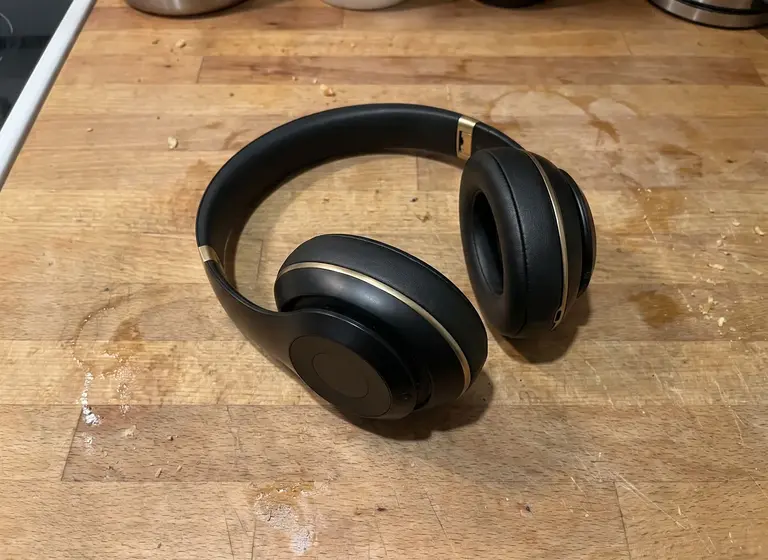
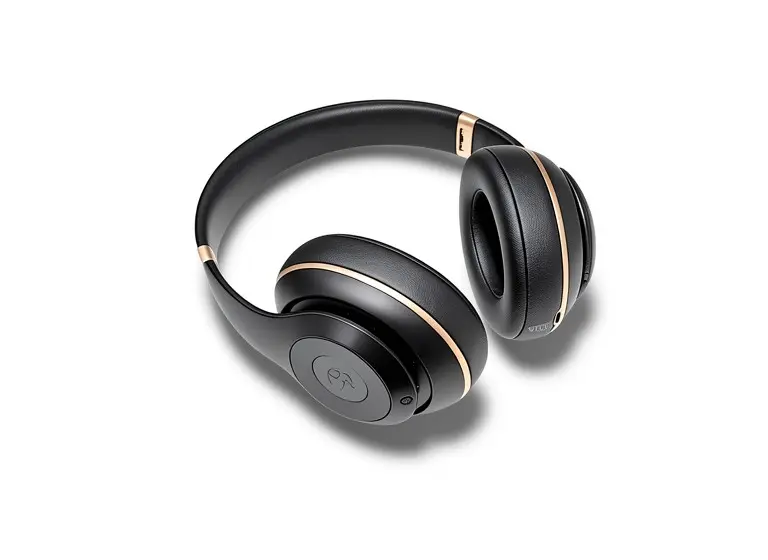
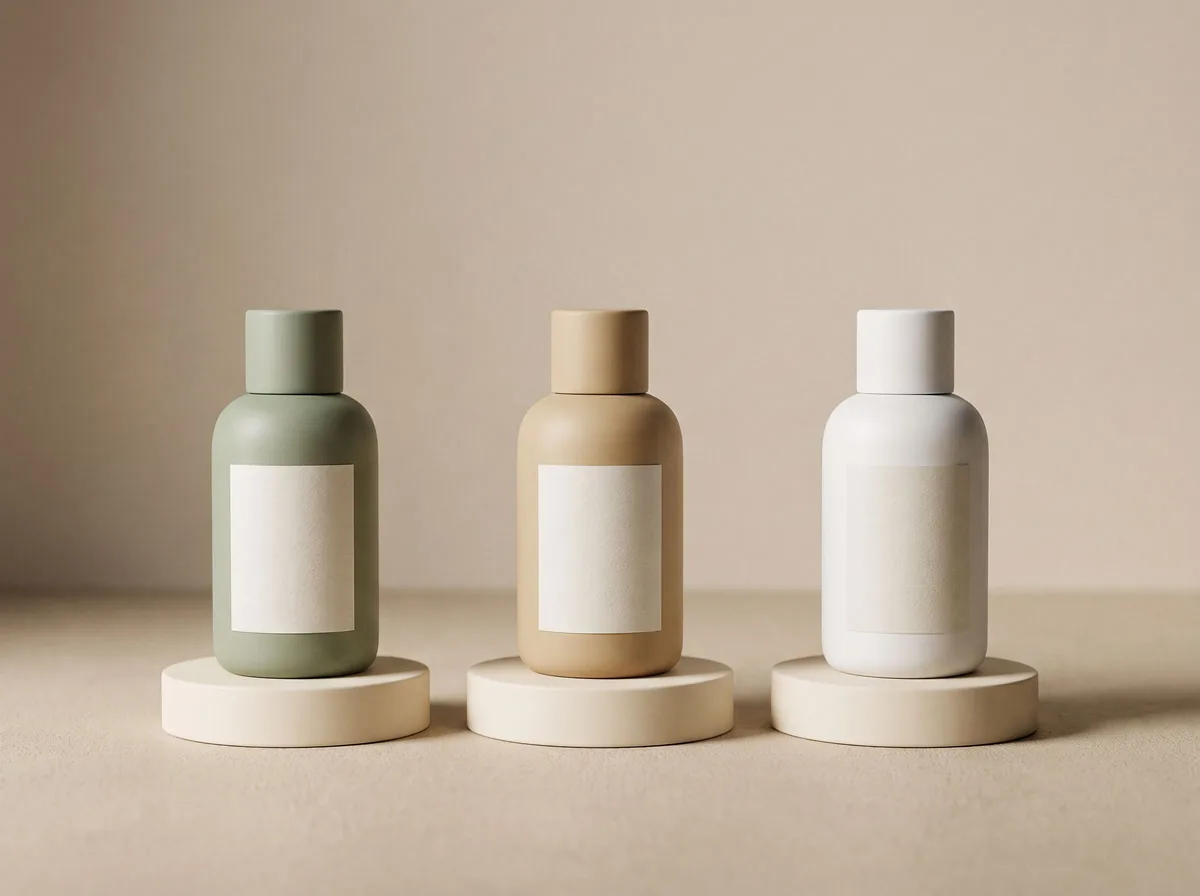
Example before (AI-made sample photo) and our model's output

Our test: three phone-style product photos, three edits

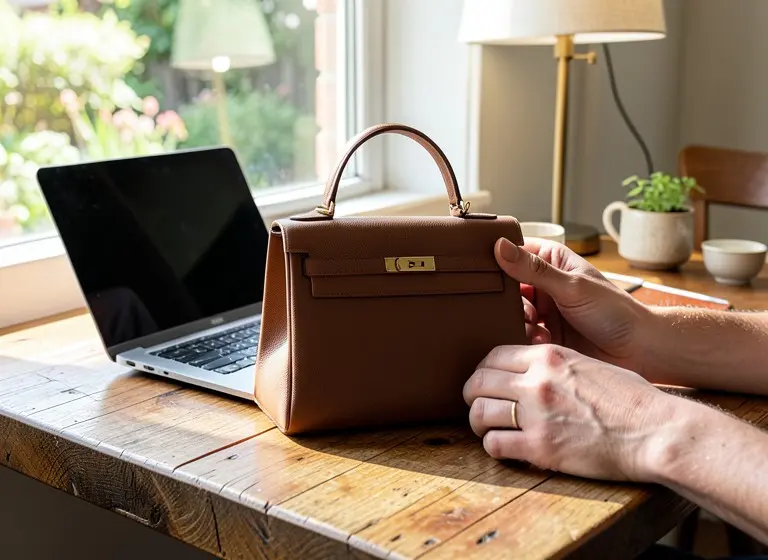
Each input is an AI-made sample photo of a product on a kitchen counter, not a customer photo. Each went through one of our free tools exactly as a visitor would use it. The headphones and handbag took one try; the perfume took more, as its note says.

Perfume bottle to a podium hero shot

Perfume bottle to a podium hero shot: the original photo
Before
Perfume bottle to a podium hero shot: the AI result
After

PromptPlace the product on a cream stone podium with warm spotlight, soft shadows and a muted beige backdrop. Do not add any text or label to the bottle.

Our first attempts with a shorter prompt invented label text on the bottle, so we added "do not add any text or label". The cap tone also shifted from gold to a darker bronze. Check labels and colors on every AI scene.

Try it free in AI Product Photoshoot →Need it with no mark, in HD? Try AI Two (sister studio: free to try, paid plans remove the watermark)
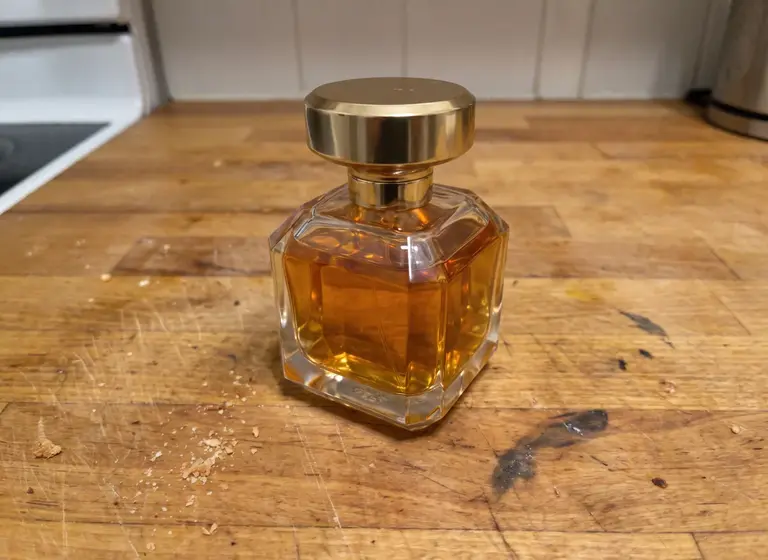
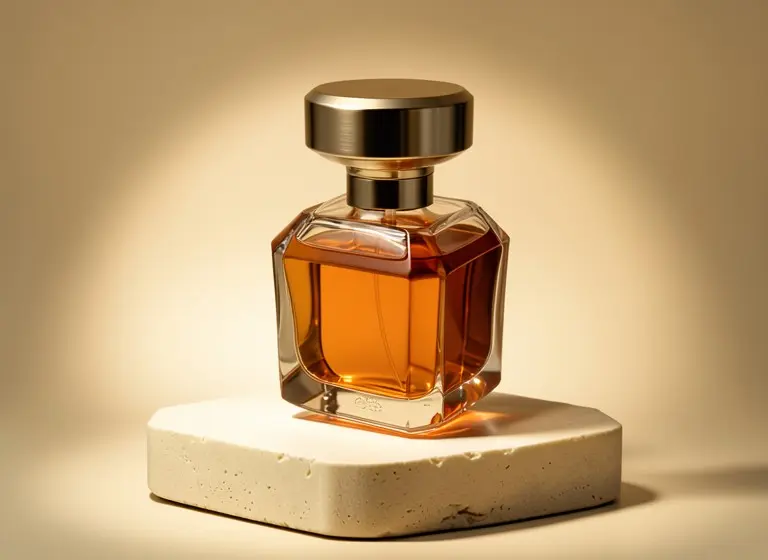
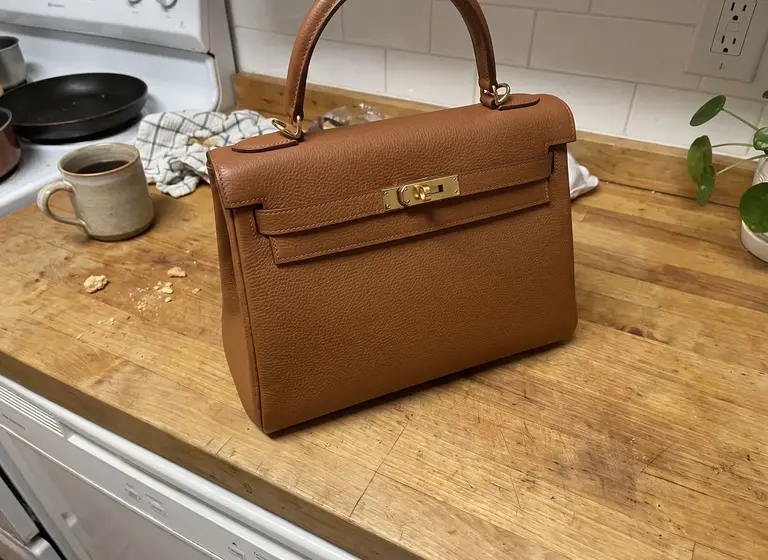
The before photos are phone-style snapshots of generic products that we made with an AI image model for this site's tool pages; they are not customer photos. Each after is the unedited result of our own free tool on that photo, made on 13 October 2026 at the size a visitor gets (768px on the long side) and shown without the download mark. Results vary from photo to photo.

Three ways to get ecommerce product photos

Studio and AI figures are one vendor's published estimates (Photta, 2026), checked 14 October 2026. Photta sells AI photos, as do we, so treat the numbers as a rough guide and get real quotes for your products.

RouteReported costBest forWatch out for
Studio or photographerSimple white-background shot $25 to $50; standard catalog image $35 to $175; styled lifestyle with props or a model $150 to $500+; about $85 to $250 per SKU all-inHero and campaign images, people wearing the product, complex setsModel usage licences, shipping and prep, reshoots, weeks without the product to sell
DIY with a phoneYour time, plus a table, a backdrop and window lightA small catalog you can shoot in one afternoonUneven light and backgrounds between products. See our phone photography guide.
AI editing of your own photosAbout $3 to $12 per catalog image on paid AI tools (Photta); Z Product AI is free with a daily allowance and 768px downloads with a small markBulk packshots, social scenes, seasonal varietyNeeds a sharp source photo, can shift colors and small details, and marketplaces limit AI-made main images

What a listing needs

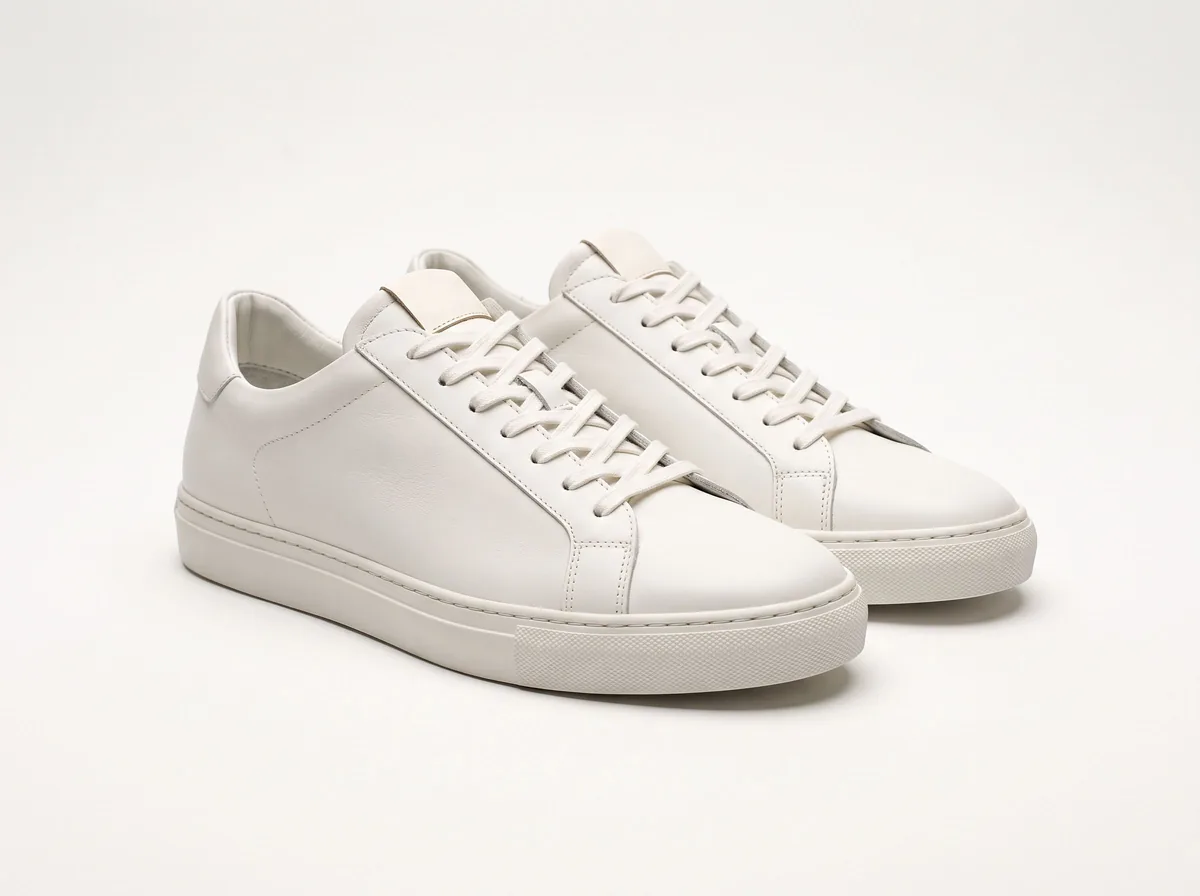
  • A hero image: the product alone on a clean, even background, the first thing a shopper sees.
  • Angle shots: front, side, back and top, so buyers see the whole item.
  • A detail shot of the material, texture or finish.
  • A scale shot with a hand, a person or a familiar object.
  • A lifestyle image that shows the product in use.
  • Packaging, if it is part of what the buyer receives.

How to decide: count images, not shoots

Start by listing every image your catalog needs and marking each as a hero or a catalog image. A photographer is worth the money for hero images and brand-defining campaigns. Bulk catalog images, social content and seasonal variations are where editing your own photos with AI pays off. One vendor suggests roughly an 80 percent AI, 20 percent photographer split as a starting point; your products may differ.

Then compare options on cost per accepted image, using the same number, size and quality bar for each. Add staff time, retries, shipping and reshoots to both sides. Savings shrink if accepted AI images need many tries or manual fixes, and some products still need a physical shoot, such as ones with regulated label claims, exact fit or named talent.

What AI can and cannot do

  • It edits a real photo of your product: it can replace the background, rebuild the shadow and place the product in a styled scene.
  • It needs an accurate, sharp source photo. A blurry or badly lit photo gives a poor result.
  • It can shift colors and small details, such as cap tones or label text, so compare every result with the real product. Returns follow when the photo and the item differ.
  • Marketplaces have their own rules. Amazon asks for a pure white main image and does not accept a picture of the product made entirely by AI. See our Amazon main image guide.
  • Products worn on people, with exact fit or regulated claims are better shot for real.

Keep a whole catalog consistent

Shoppers trust a store that looks like one shoot. Use the same angle, light direction, background and crop for every product in a collection, whichever route you take. With AI, pick one prompt and reuse it on every product, then check the results side by side.

FAQ

Questions sellers ask

How much does ecommerce product photography cost?

It depends on the product, the shot and the studio. Photta's 2026 guide, itself an AI vendor, lists $25 to $50 for a simple white-background shot, $150 to $500 or more for a styled lifestyle shot, and about $85 to $250 per SKU all-in. Get quotes for your own products before you decide.

Do I need a professional photographer?

For hero images, campaigns, people wearing the product and complex sets, usually yes. For plain catalog images, many sellers shoot on a phone and edit the background.

Can AI replace ecommerce product photography?

Partly. AI edits a real product photo well for backgrounds, shadows and scenes. It does not replace the source photo, and it can shift colors and details, so it does not suit every product.

What shots does an ecommerce listing need?

A clean hero image, angle shots, a detail close-up, a scale shot and a lifestyle image. Marketplaces set their own limits and rules, so check yours.

Is AI allowed for Amazon main images?

Amazon requires a real photo of the item on pure white and does not accept a picture of the product made entirely by AI. Editing a real photo is different from generating one, and the result must show the item accurately. Check Amazon's current rules.

How do I compare studio and AI costs fairly?

Divide the total cost, including your time, retries and reshoots, by the number of images you accept at the quality you need, for each route. Compare the same number, size and standard of final images.