Seller guide
How to Photograph Clothes to Sell Online
Clothes sell on fit, fabric and shape, and a buyer can judge all three only from the photos. Pick the right style for each item: a flat lay for casual pieces, a ghost mannequin for structured garments, an on-model shot for lifestyle. Soft natural light works for all of them, and a phone is enough to start.
Updated 13 October 2026
The short answer
- Flat lay suits tops, knitwear and accessories. Shoot straight down on a plain surface.
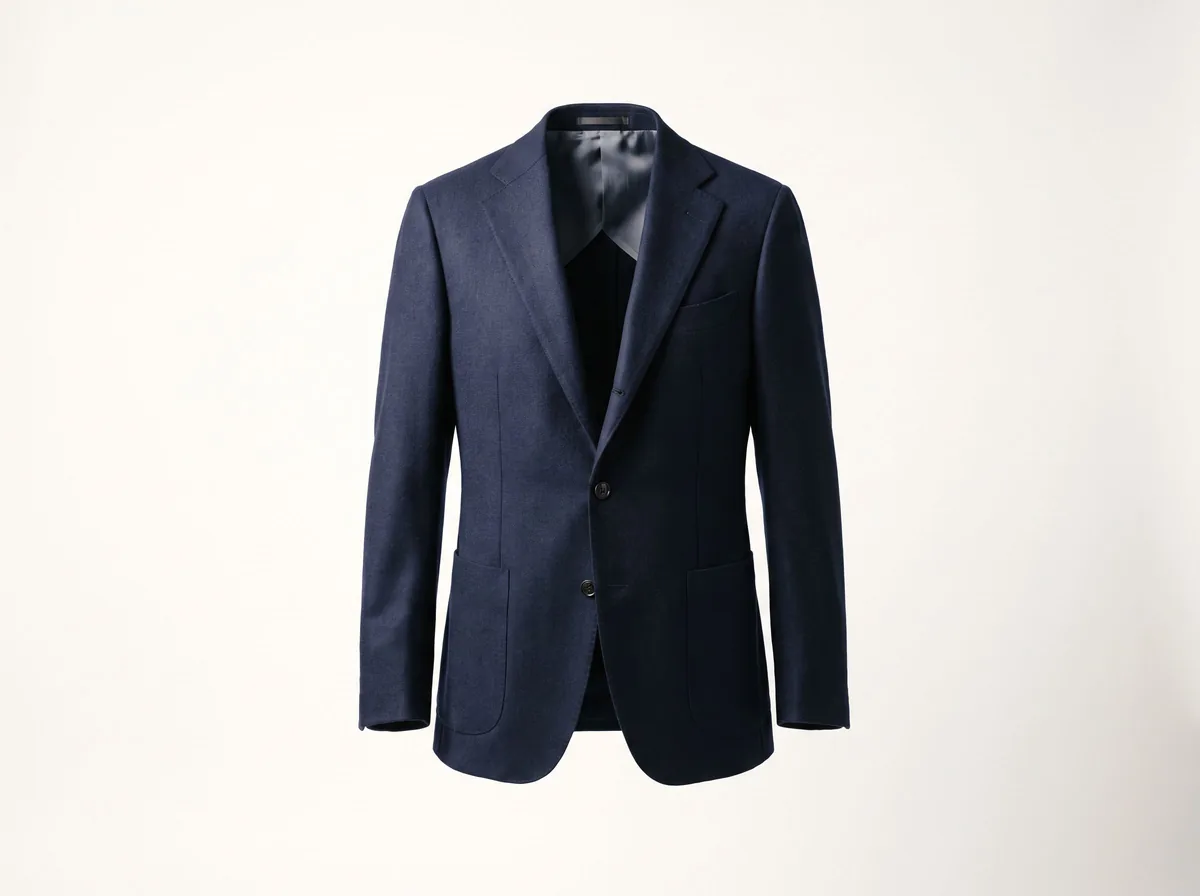
- Ghost mannequin suits coats, blazers and dresses, where the shape is the selling point.
- Use indirect daylight with the light behind or beside the camera, and avoid hard sun that flattens fabric.
Pick the right style for each item
- Flat lay: casual tops, t-shirts, knitwear, socks, scarves and accessories. It is fast, easy to repeat and simple to keep consistent.
- Ghost mannequin: structured pieces such as coats, jackets, blazers and dresses. The garment keeps its three-dimensional shape with no visible form.
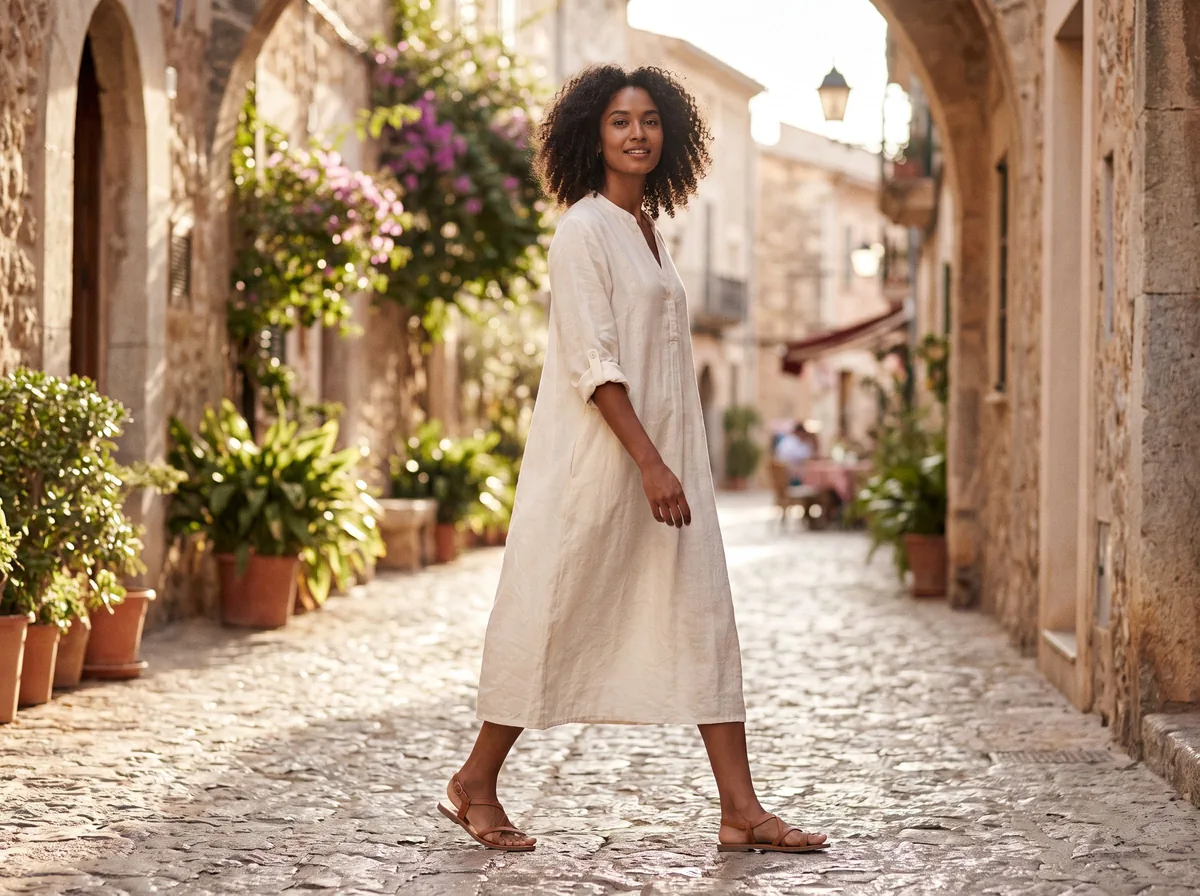
- On-model: lifestyle and campaign shots, and items where drape or movement sells the piece. Keep the size chart beside it.
Shoot a flat lay
- Lay the garment on a plain white sheet or table. Smooth out creases and remove tags before you shoot.
- Hold the camera straight above the piece, with the lens parallel to the surface, so the proportions stay true.
- Leave space between pieces. Overlapping hides the details buyers need, such as the neckline or the pocket.
- Shoot the front, the back, the label and a close-up of the fabric or the weave.
Shoot a ghost mannequin photo
Dress a mannequin or a dress form, then set the camera at the garment’s focal height: chest level for tops and hip level for bottoms. Shooting too high or too low distorts the shape, and leaving room between the camera and the form stops the frame from feeling cramped.
The mannequin is removed in editing. A ghost mannequin tool can do this from one photo, but check the inside of the neckline and the sleeve openings afterwards, because they show the most mistakes.
Use natural light
- Shoot near a window in indirect daylight. Hard sun gives harsh shadows and flattens the fabric.
- Put the light behind or beside the camera, so glare stays off the garment.
- Without daylight, use two lights on opposite sides, angled down at about 45 degrees and diffused.
- Use a tripod or a steady surface, and the phone self-timer, so the shot stays sharp.
Plan the shoot and keep it consistent
- Write a shot list, and group items by type, such as tops, then trousers, then dresses, so the tripod moves less.
- Use the same background, light and framing for every item, so the shop looks like one shoot.
- Shoot extra frames. A soft or misaligned shot is common, and a backup saves a reshoot.
What photos cannot tell buyers
- Real fit: a flat lay or a mannequin does not wear the size, so keep the measurements and the model’s size on the listing.
- Exact texture: photos can soften the weave or the print, so add a close-up of the fabric.
- Edits: a ghost mannequin or an AI model can change details. Compare every result with the real garment before you publish it.
Free tools for this
Try it on your own photo
FAQ
Questions sellers ask
What is the easiest way to photograph clothes?
A flat lay on a white sheet in daylight, shot from straight above with a phone. It needs no mannequin and no editing.
When should I use a ghost mannequin photo?
For structured garments such as coats, blazers and dresses, where the three-dimensional shape sells the piece. Use a flat lay for knitwear and casual tops.
Do I need a camera, or is a phone enough?
A phone is enough. Use the main camera, good daylight, a tripod or a steady surface and the self-timer.
Can I use AI for clothes photos?
Yes, for ghost mannequin and model shots. Check every result against the real garment, and keep real photos for items where the fit or fabric matters most.
Sources
- Clothes photography how-to guide
- Clothing photoshoot tips
- Clothing photography guide
- Ghost mannequin photography guide
Z Product AI makes some of the tools compared here. Competitor details come from their own sites and public reviews as of 13 October 2026.